

 Romana
Porcelain - a refined style
Why porcelain? Because it is the most suitable option for intensive use, while maintaining its appearance and quality over time. Even if it seems fragile, porcelain offers high durability, relative to time and maintaining quality. This advantage is the result of firing at very high temperatures (almost 1400⁰ C), which also makes porcelain a product without porosity, and thus does not retain impurities or bacteria. The higher the porosity of a piece, the easier it will absorb external elements such as sauces and, therefore, the more difficult it will be to sanitize.
Real porcelain - also called hard porcelain such as that made by Axa Porcelaine - is made by a mixture of kaolin and other raw materials combined to obtain a high degree of whiteness, made according to our own recipe. The glaze applied in the last phase of the production process gives it a brilliant shine.
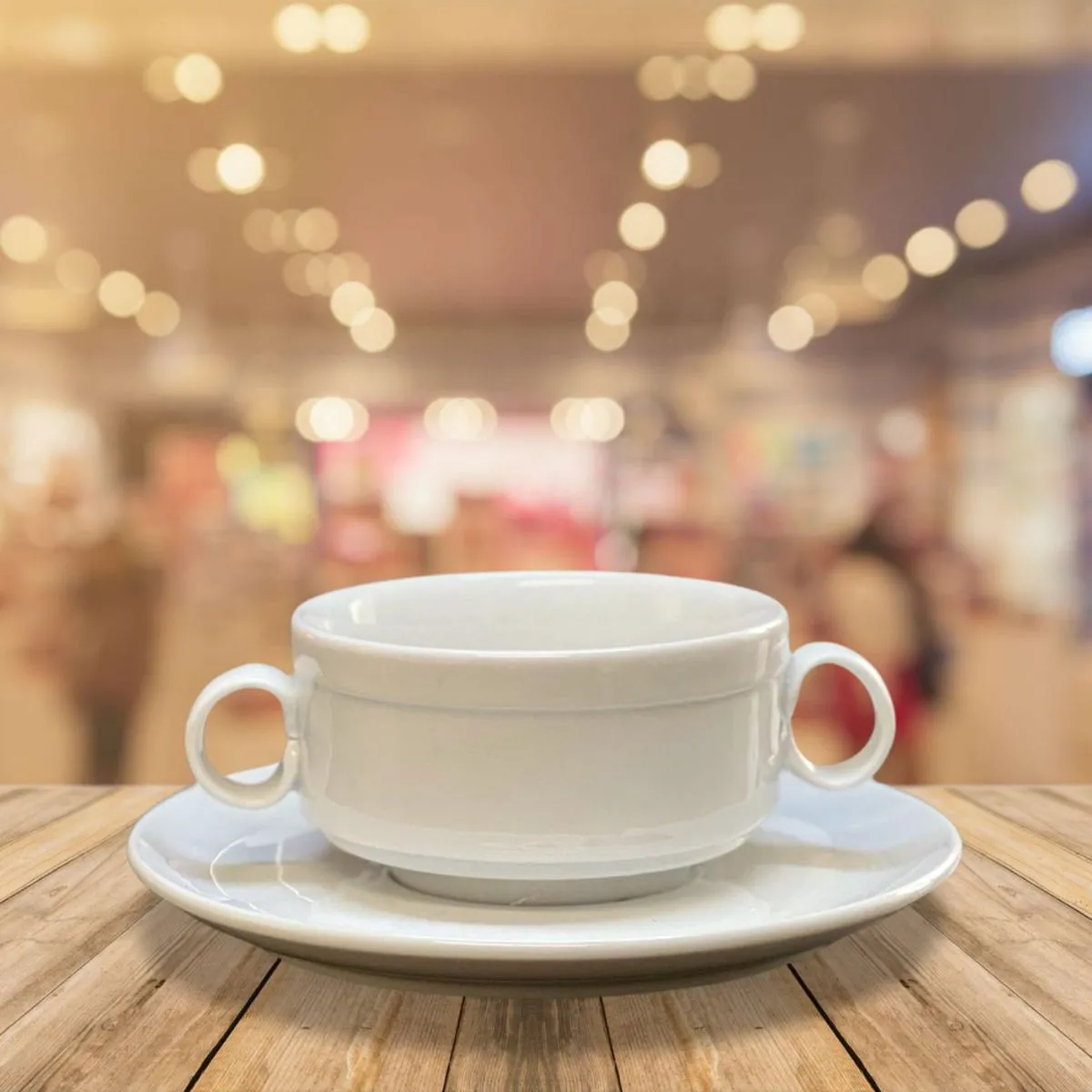
What is porcelain used for today? Tableware, decorative objects, laboratory equipment and electrical insulators. In the HoReCa industry, many restaurants choose porcelain for the purchased crockery, obtaining a luxurious, refined appearance, much superior to other crockery options such as ceramic (much more porous).
Porcelain plates are safe because they do not react with acidic foods such as lemon, vinegar or tomatoes. The ultra-glossy and non-stick appearance reduces the need to add excess fat to the dishes to prevent sticking to the presentation surface. Porcelain is also resistant to scratches and the action of UV rays, becoming a preferred option for locations with outdoor terraces.


 Incepe conversatia